 BARBAR
Reported restaurant feature
The iconic Beirut kebab house that thrived even during war
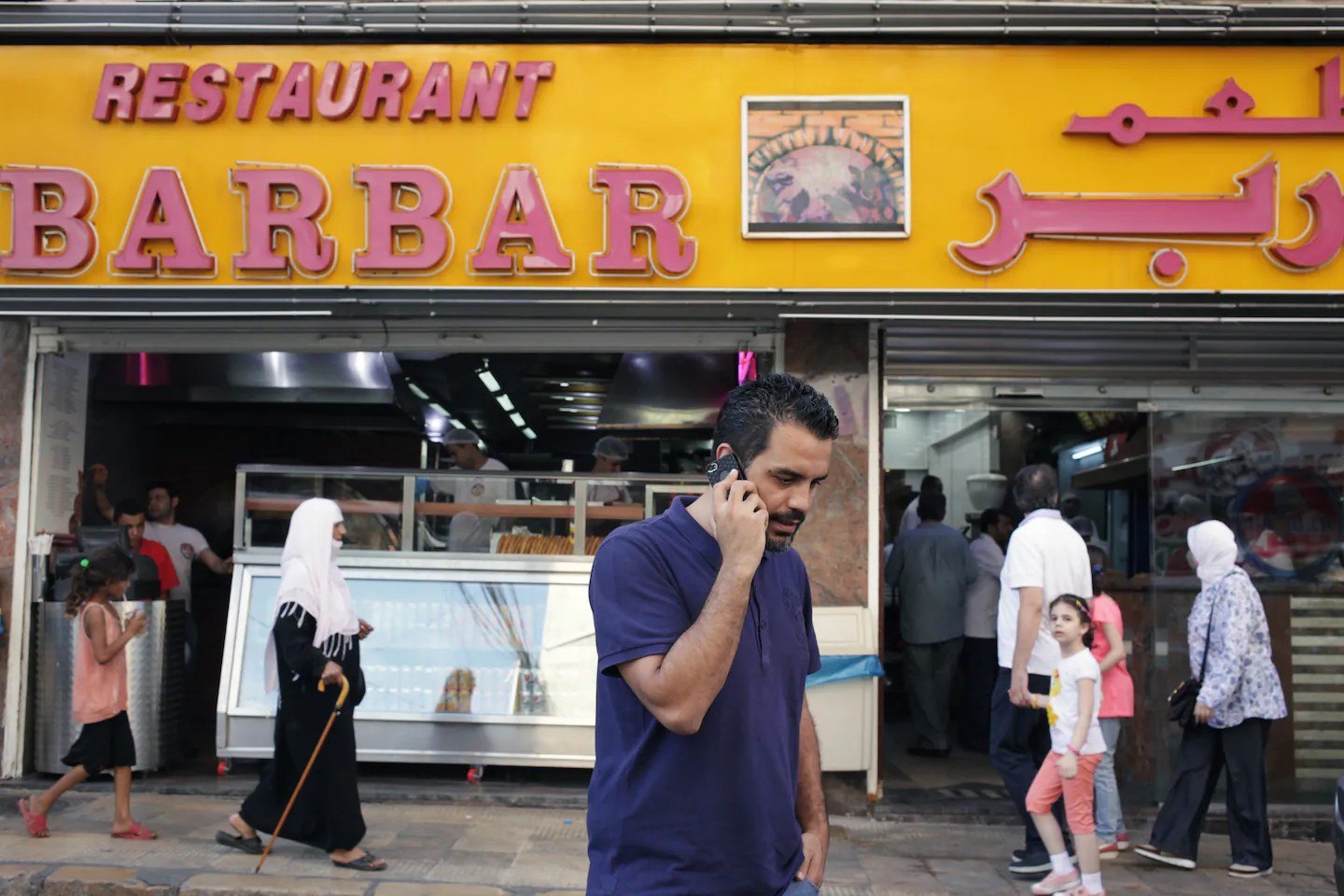
Hugh Naylor’s Washington Post feature tells how BARBAR kept its grills burning in Hamra through Beirut’s wars.
The article presents a restaurant that, by its telling, has not shut since it opened in 1979. The grills worked around the clock through the civil war, the war of 2006 and the street fighting of 2008. It recalls a day when a rocket-propelled grenade struck the entrance and the kitchen went on serving, and a wall of sandbags some ten feet high that sheltered the people eating behind it.
Naylor traces the story back to the founder, Mohammed Ghaziri, who left school after the fifth grade, went to sea on a Greek ship at seventeen in the late 1960s, and came home about ten years later to open a small shop selling manousheh. By the time of the article he has retired, and his son Ali Ghaziri, then 33, runs the house as co-owner with a brother. The one stretch in which it lost money, the article reports, was an attempt at fine dining.
The feature also meets the people behind the counters: Mohammed Hussein, 47, who heads the falafel section, and Mohammed Rezik, 46, a waiter. And it measures how far the place has grown: more than half a dozen shopfronts that fill almost a whole block of Hamra, and a small branch near the city centre.
It notes that CNN had placed BARBAR first in a ranking two years earlier. The article’s verdict is in its headline: a Beirut institution that did well even in wartime.
“world-class kebabs”