 BARBAR
Our story Sample
It started with a man’oushe.
Barbar is not just a restaurant. It is the story of resilience, passion, and the unwavering spirit of Beirut.
Humble beginnings
At the heart of it stands Mohamad Ghaziri, a man whose journey from humble beginnings to culinary pioneer is deeply woven into the fabric of Lebanon’s modern history.
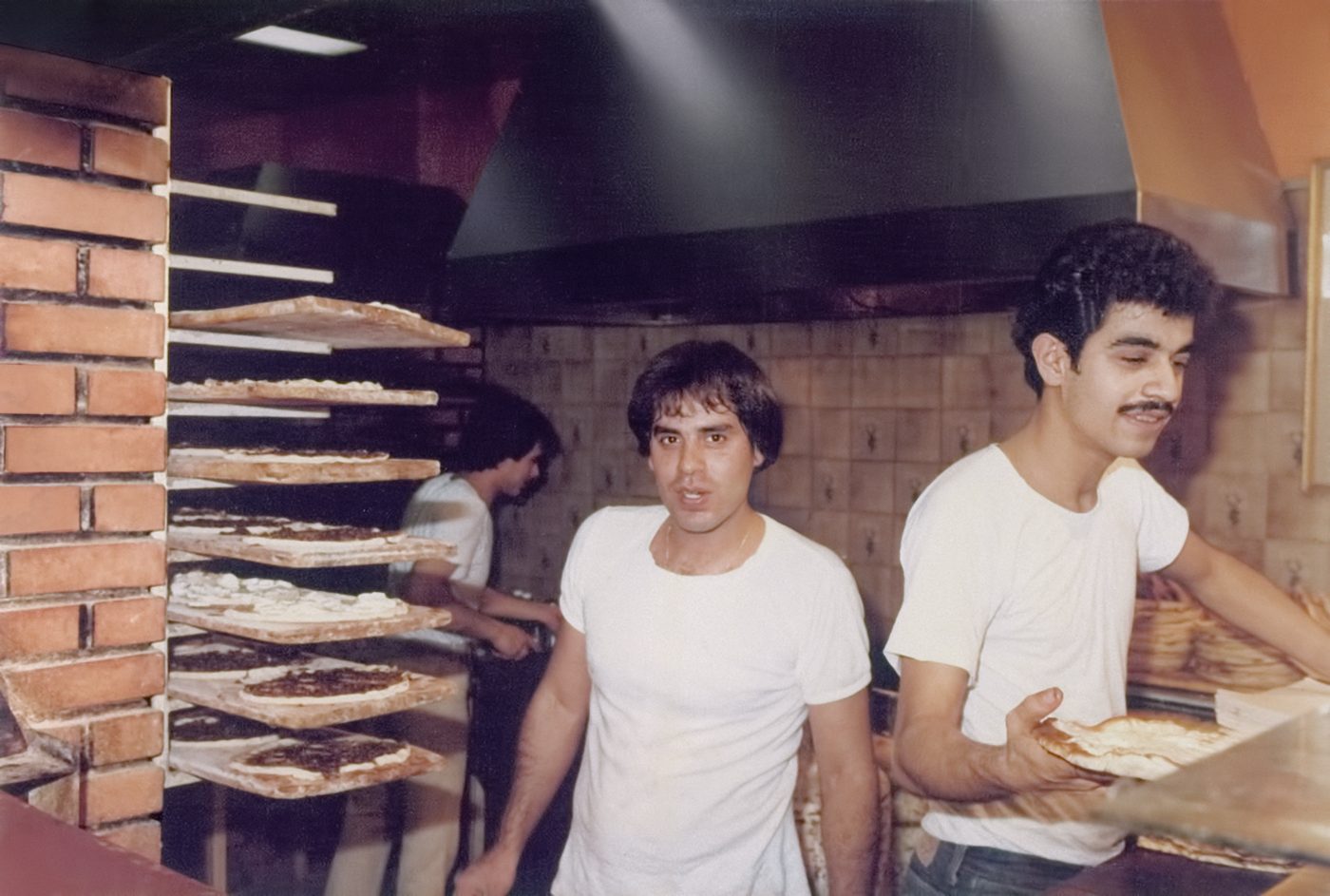
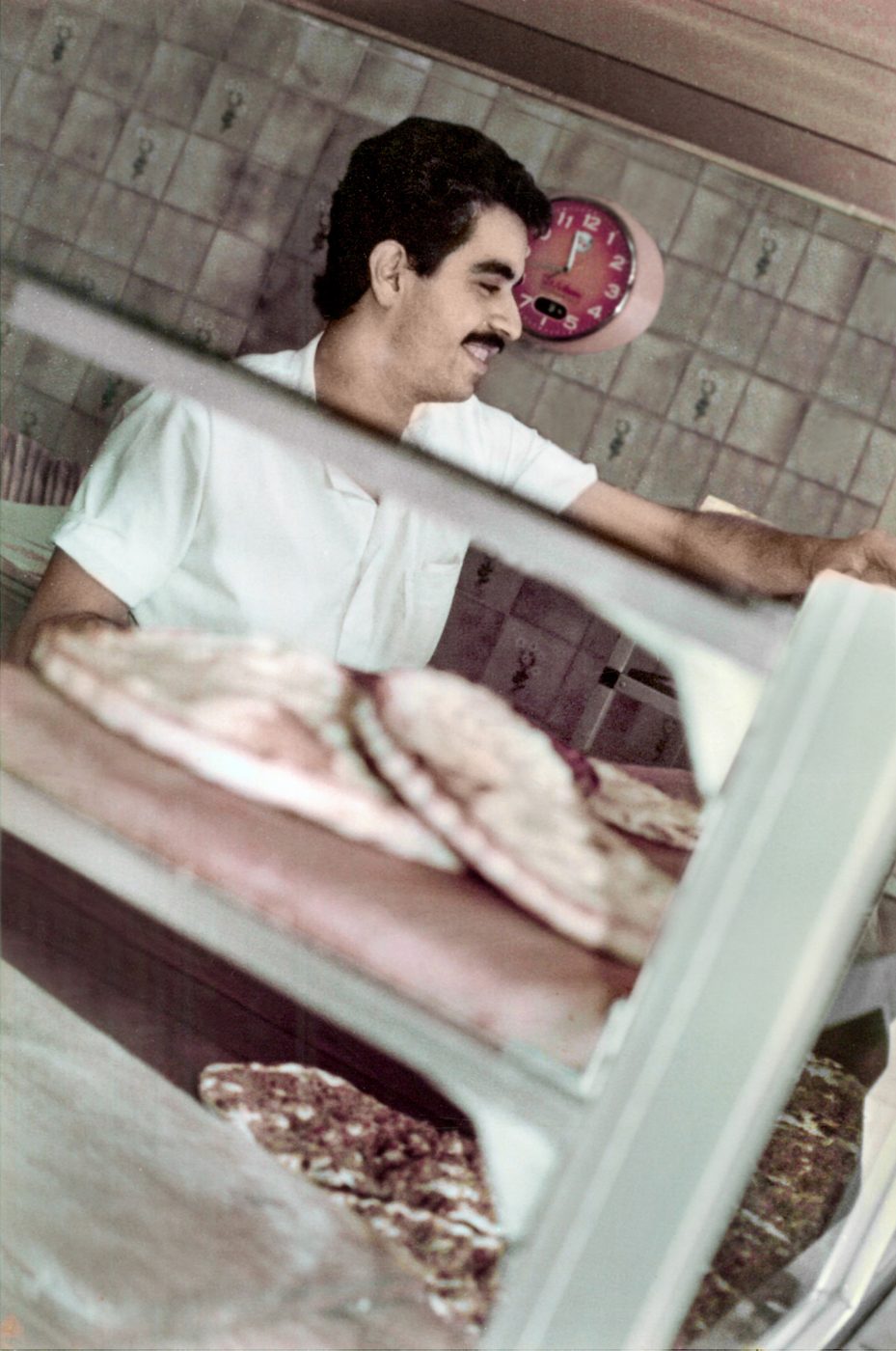
From a very young age, Mohamad developed a fascination with food, specifically with the man’oushe, the simple yet soul-satisfying Lebanese flatbread. As a child, he would spend his mornings helping out in a local bakery, preparing man’oushe, then balance a tray on his head and walk the streets of old downtown Beirut, selling them to passersby. Even then, it was clear that he didn’t just love making food. He understood how it brought people together, how it carried meaning.
His own man’oushe shop
Before the civil war erupted, Mohamad spent six to seven years working as a sailor, navigating vast oceans while saving every dollar he earned. Those years away from home were not spent chasing adventure but purpose. His goal was simple but ambitious: to one day return to Beirut and open his own man’oushe shop, a place that would be his and his alone, dedicated to the food he loved and the community he belonged to.
At the time, however, the idea of a standalone man’oushe shop didn’t exist in Lebanon, as the family tells it. People didn’t go out to buy man’oushe the way they do today. Instead, they would bring their own minced meat, zaatar or cheese to the local bakery and ask the baker to prepare it for them. The concept of walking into a place solely focused on serving man’oushe was unheard of. Mohamad was about to change that.
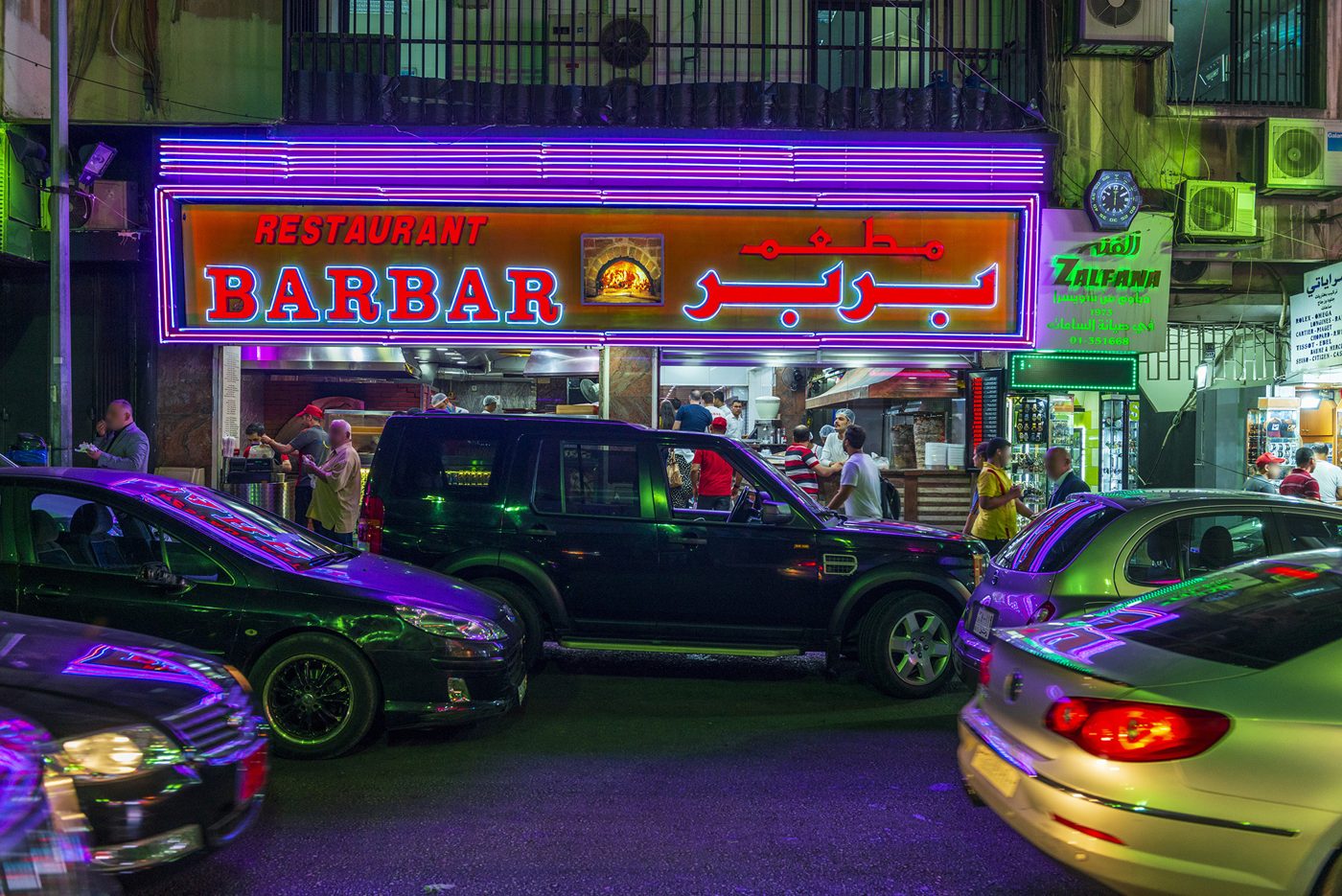
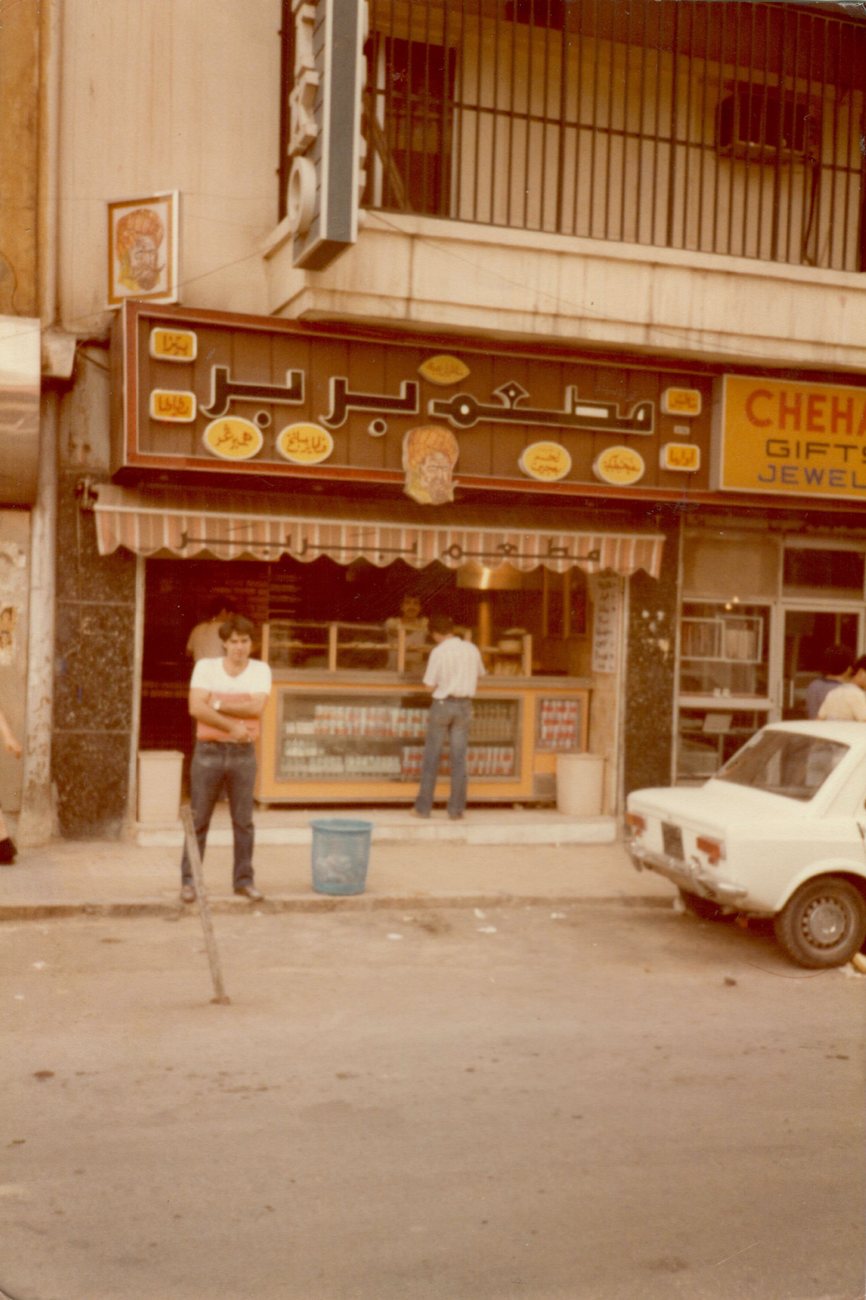
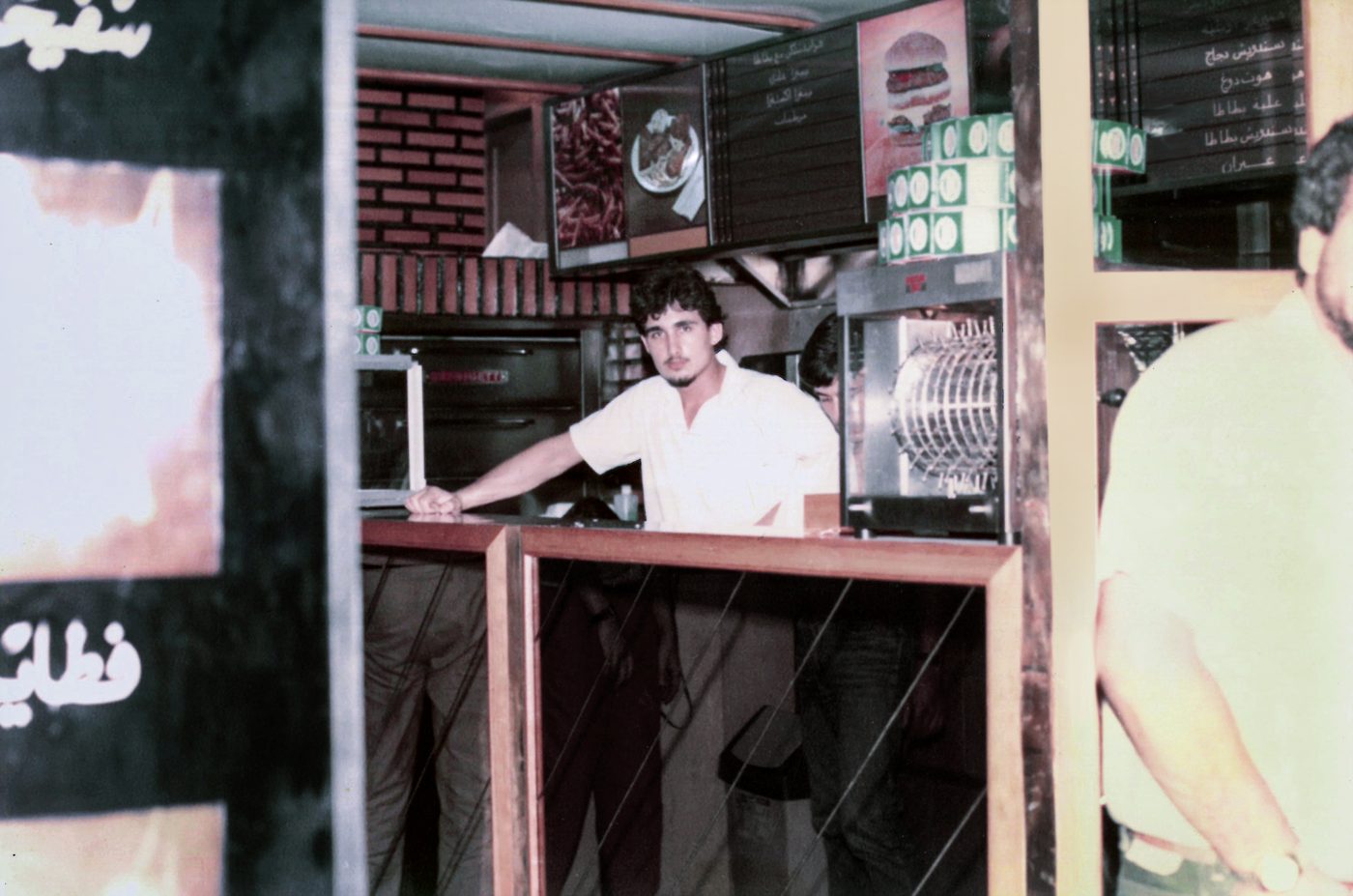
He returned to Beirut in the late 70s, in the midst of the Lebanese Civil War. The country was breaking, but Mohamad was building. In Hamra, one of the few vibrant neighborhoods still alive with movement and hope, he opened a small man’oushe shop. The family remembers it as Lebanon’s first dedicated space for man’oushe. There was no fancy name, no grand opening. Just an oven and a revolutionary idea. What he didn’t know then was that this small spark would become a national flame.
A live, armored horse
Just steps away from his modest shop was the iconic Piccadilly Theater, a cornerstone of Beirut’s cultural scene. At the time, the theater was staging a wildly successful play titled "Barbar Agha," starring the renowned Antoine Kerbaj. During a war where entertainment was scarce, theater became a rare refuge. People flocked to the play, which gained a reputation for one especially jaw-dropping element: a live, armored horse appeared on stage. It was a spectacle few could ignore.
After each show, the theater refused to keep the horse indoors overnight. So every evening, the fully dressed horse would be tied just outside Mohamad's shop. Naturally, crowds from the play would gather around the horse, taking photos, laughing, extending their evening. As the crowd thickened, more people came into Mohamad’s bakery. He watched this unexpected pattern unfold night after night. One day, with a spark of humor and intuition, he decided to name the shop "Barbar": a tribute to the play, the horse, and the street energy that helped put him on the map.
And so Barbar was born, not from a business plan, but from a beautiful accident between theater, food, and fate.
Barbar kept serving, day and night
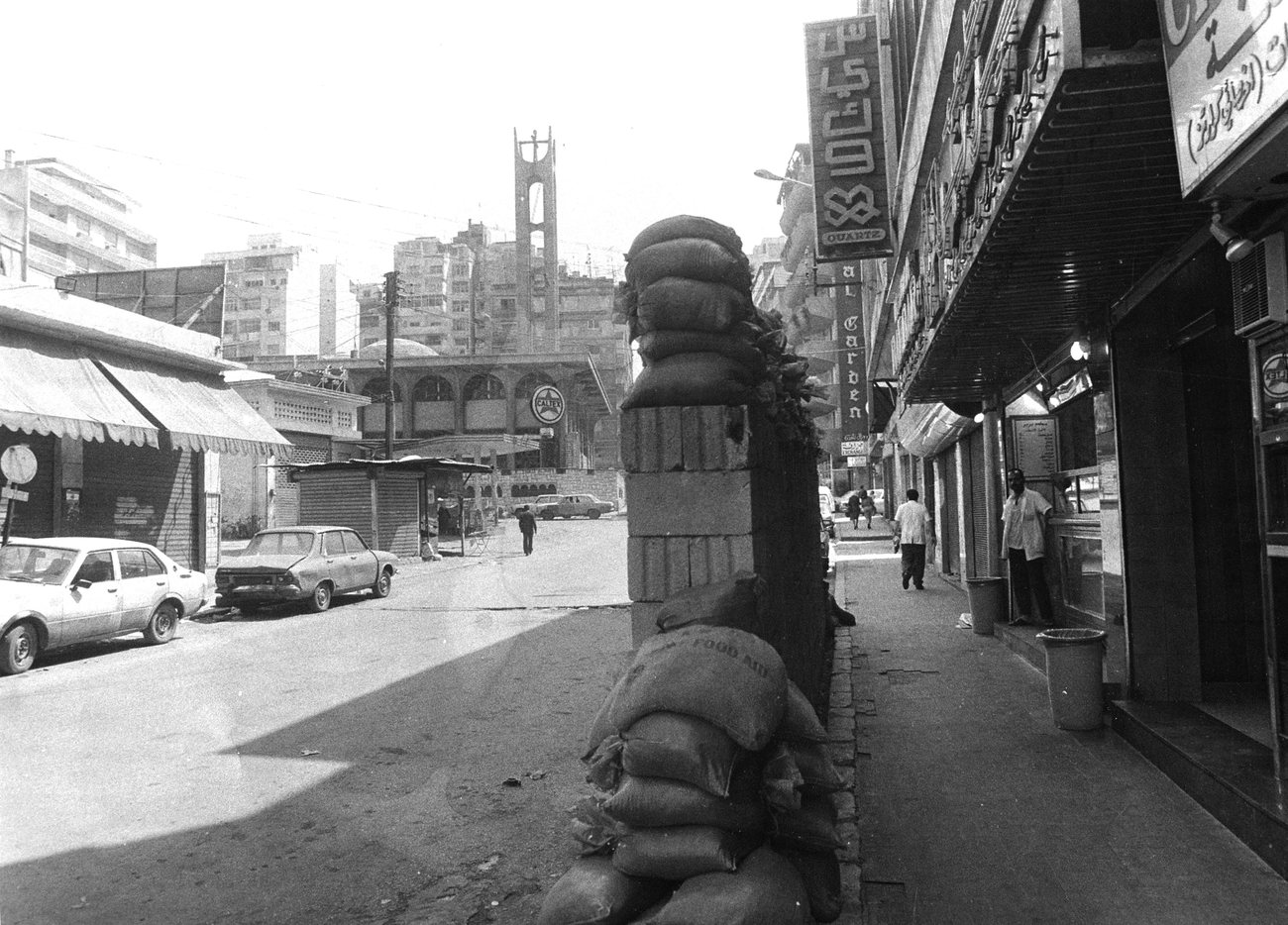
But naming the place was only the beginning. From that single man’oushe oven, Barbar began to grow, not in leaps, but in loyalty. Between 1979 and the end of the war, throughout the darkest, most dangerous years of Lebanon’s civil war, Barbar kept serving, day and night. Even as bombs fell and curfews were imposed, the ovens stayed hot and the windows stayed open. People lined up not only for the food, but for a sense of normalcy, of humanity, of Beirut refusing to fall. This earned the place legendary status.
Barbar Street
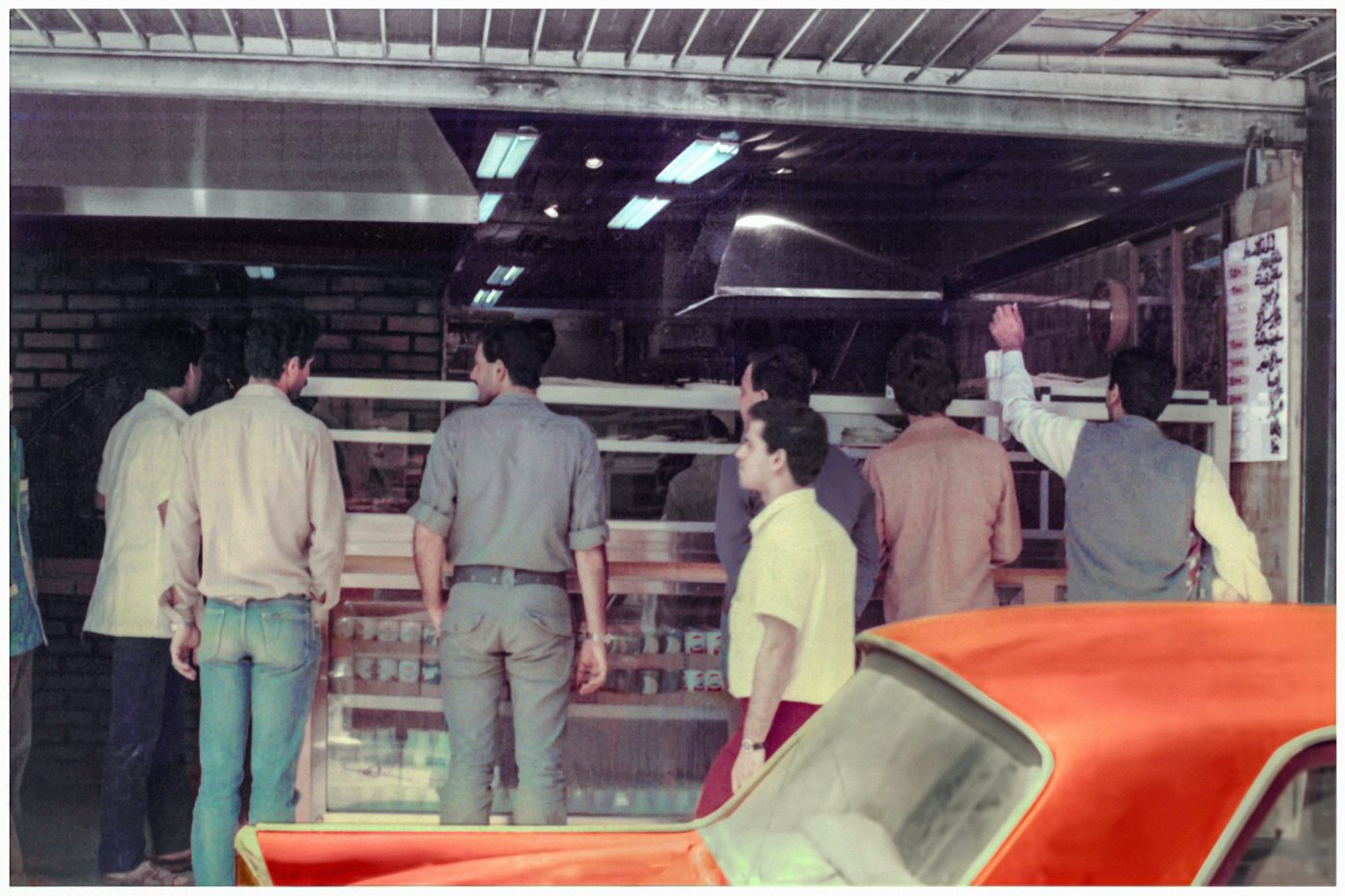
As the years passed, the small shop in Hamra expanded, first into the next door, then the one after, until the whole block buzzed with Barbar storefronts: a bakery, a sandwich shop, a juice bar, a shawarma corner. Locals began calling it “Barbar Street.” It had become more than a restaurant. It was now a district, a destination, a household name.
From Beirut to Dubai and beyond
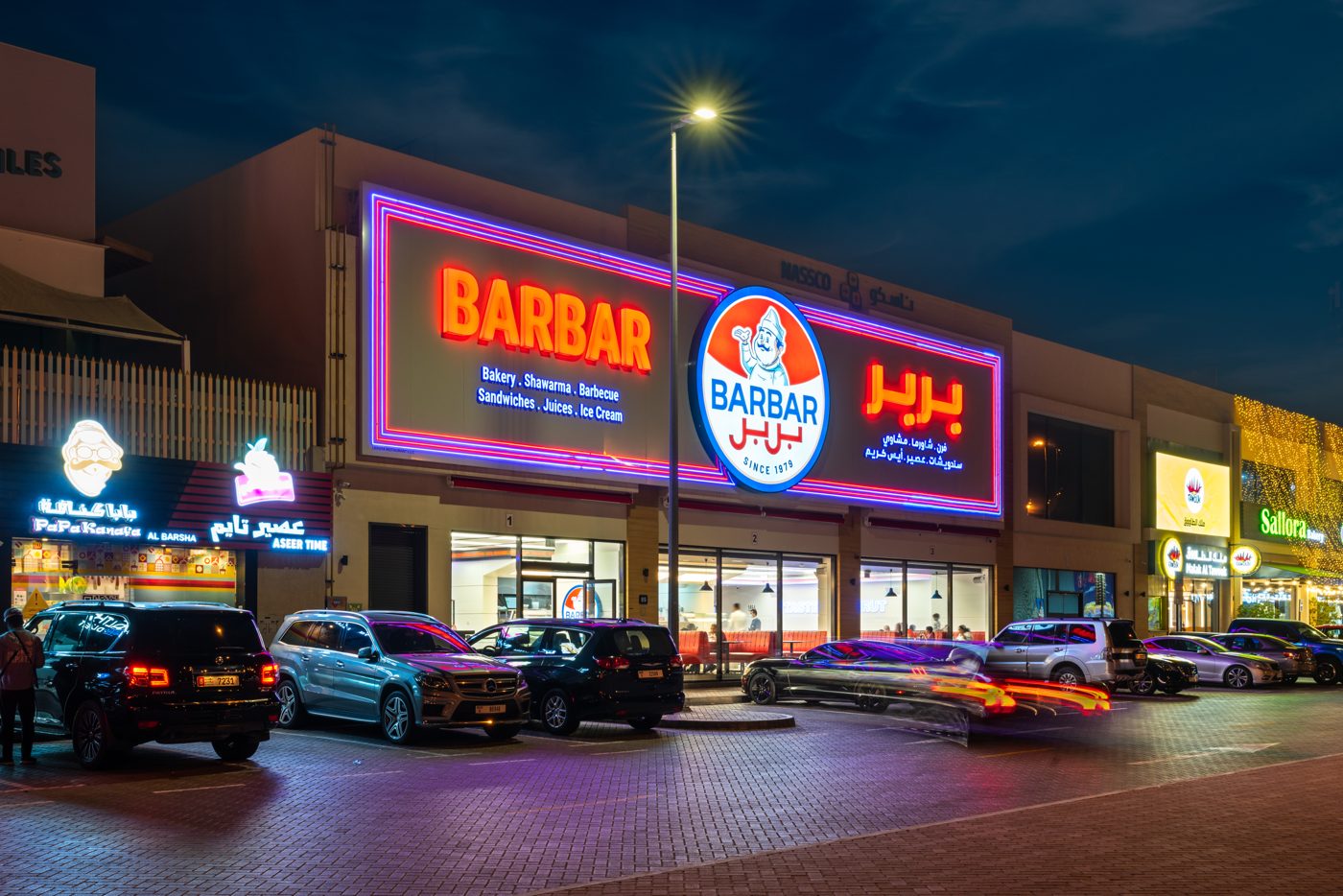
But even as Barbar grew, one thing never changed: the DNA. It has always stayed true to the soul of that first man’oushe Mohamad used to carry on his head through downtown. That same flavor, simplicity, and authenticity continue to define the brand today, from Beirut to Dubai and beyond.
Today, as I carry this legacy forward, Barbar remains a tribute, not just to Mohamad, but to the people of Lebanon who refused to let war erase their joy. It stands for continuity in chaos, warmth in crisis, and above all, the power of food to tell stories no bullet can silence.
Barbar is more than a name. It’s a feeling. A memory. A symbol. And now, it’s a growing global brand rooted in a story that could only have happened in Beirut.
Ali Ghaziri